Ceramic coating vs PPF. You want to protect your vehicle’s paint. Which one should you choose? They’re quite different, and picking the wrong one can lead to disappointment (and wasted money). Let’s break it down so you can make the right choice for your ride.
What is Ceramic Coating?
Ceramic coatings, like Gtechniq Crystal Serum Ultra or EXO V5, are liquid polymer coatings that bond to your car’s clear coat. Once cured, they create a hydrophobic surface that repels water, dirt, and contaminants.
✅ Pros of Ceramic Coatings
✨ Insane Gloss & Shine
Ceramic coatings amplify the depth and clarity of your vehicle’s paint, giving it a wet look that turns heads — even when it hasn’t been washed in a week. Unlike waxes or sealants that dull quickly, this gloss is baked in (well, technically, bonded) and holds up in every season.
💦 Hydrophobic Finish
Imagine water acting like it’s afraid of your car. Ceramic coatings create a slick, non-stick surface that forces water — and the dirt it’s carrying — to bead up and slide off. This means fewer water spots, less streaking, and way less time with a drying towel in hand.
🌞 UV Protection
Your car’s paint is constantly under UV attack — even on cloudy days. Ceramic coatings act like sunscreen for your paint, preventing fading, oxidation, and that dull chalky look that shows up on neglected vehicles. It’s especially important for darker paints and vehicles parked outside.
🧪 Chemical Resistance
Bugs, bird bombs, tree sap, and road salt are basically nature’s way of trolling car owners. A ceramic coating doesn’t just make cleanup easier — it slows the damage down. These coatings resist chemical etching far better than clear coat alone, buying you precious time before real harm is done.
🧼 Easier Washes
Think of ceramic coating as a non-stick pan for your car. Dirt, mud, and grime don’t grip the surface the same way, which means your regular wash takes less time, fewer products, and less scrubbing. That reduces the risk of scratches and keeps your paint looking showroom-new.
💰 Cost Effective
When properly applied, a ceramic coating like Gtechniq Crystal Serum Light or EXO v5 can last between 2–5 years. Compare that to waxing every 3 months or the long-term cost of paint correction, and you’ve got a protection plan that pays for itself in both money and time saved.
❌ Cons of Ceramic Coatings
- No Impact Protection: A rock chip laughs at ceramic coatings. They offer zero defense against scratches or dings.
- Requires Proper Prep: It can trap defects if installed on unpolished or dirty paint.
- Can Be Oversold: Many shops market it as “invisible armor” — it’s not.
- Maintenance Still Required: It’s not a “set it and forget it” solution.
💡 Best For:
Daily drivers, leased vehicles, new cars, and customers who want easy maintenance and great looks, but don’t need scratch protection.
What is PPF (Paint Protection Film)?
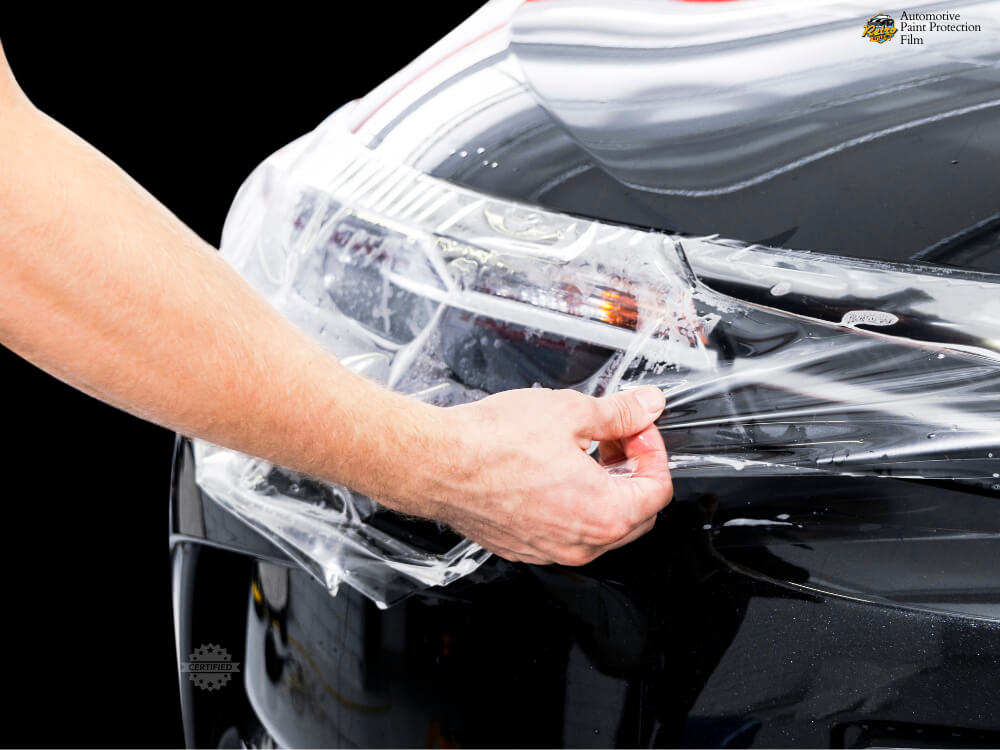
PPF is a clear, thick urethane film applied to painted surfaces. It’s nearly invisible and offers true physical protection from damage.
✅ Pros of PPF
🛡️ True Rock Chip & Scratch Protection
Unlike ceramic coatings, PPF physically absorbs impact. That means small rocks, road debris, and random door dings don’t stand a chance. If you drive highways regularly or park in crowded lots, this stuff is your paint’s bodyguard. Ceramic coatings look tough — PPF actually is.
🔥 Self-Healing Properties
One of PPF’s coolest tricks is that it can literally repair itself. Light scratches and swirl marks disappear when exposed to heat—either from sunlight, hot water, or a heat gun. This keeps your paint looking swirl-free without constant polishing or corrections.
📆 Long-Term Durability
Quality PPFs are built to last 7–10 years with proper care. That’s nearly a decade of peace of mind. And unlike coatings, they don’t slowly fade in performance — they stay strong unless physically damaged or neglected.
👀 Practically Invisible
Modern PPF is crystal clear and barely noticeable when applied correctly. For color-matched cars or matte finishes, it preserves the exact look of your paint — or creates a unique satin finish if you opt for matte PPF. No weird orange peel or cloudy textures like cheap films of the past.
🎨 Matte & Gloss Options
Want that frosted supercar look? PPF can turn a standard gloss finish into a sleek matte or satin masterpiece without repainting. Matte PPF gives your ride a custom look while still providing top-tier protection — and it’s reversible if you change your mind later.
💼 Adds Resale Value
Buyers love seeing that a car was protected from day one. PPF isn’t just aesthetic — it preserves resale value by preventing wear-and-tear that would otherwise reduce trade-in offers or retail price. It’s one of the few upgrades that can actually pay you back.
❌ Cons of PPF
- High Upfront Cost: It’s an investment. Full-body installs can run $2,000–$6,000+.
- Edges Can Be Visible: Especially on lighter paint or older film installs.
- Can Yellow Over Time: Cheap films or poor installs = discoloration risk.
- Requires a Skilled Installer: This is not a DIY job.
💡 Best For:
Luxury vehicles, sports cars, high-mileage drivers, or anyone wanting rock chip protection and willing to invest long-term.
🧼 Ceramic Coating vs PPF: Which One Fits Your Needs?
| Need | Best Option |
|---|---|
| Ultimate Shine & Easy Washes | Ceramic Coating |
| Impact Protection (Rocks, Swirls) | PPF |
| Budget-Friendly Protection | Ceramic Coating |
| New Car, Planning to Keep 5–10 Years | PPF + Ceramic Coating Combo |
| Hate Washing? | Coating with Maintenance Wash Plan |
| Highway Driver or Winter Salt Warrior | PPF on front + Coating everywhere else |
🤝 Honest Pro Tip from the Shop
We are trained and certified to apply both and are not afraid to tell you when one’s a better fit. If you’re buying a brand-new car and plan to keep it, do both: PPF on high-impact zones, and ceramic coating for the rest. That’s the real “armor” setup.
📍 Ready to Protect Your Vehicle?
Whether you’re leaning toward ceramic coating, PPF, or both, we’re here to help you make the right call for your car and your budget. Our expert team will walk you through all your options — no pressure, no BS.
📍 Retro Detailing
🧽 540 S. Maple St., Bowling Green, OH
📞 (419) 819-4102
🌐 retrodetailing.com
📅 Book Online